mental health
-

Day #6 of 16 Days of Activism for No Digital Violence Against Women and Girls
Sharing intimate images of a woman without her permission (e.g., “revenge porn” and sextortion) is abuse, not entertainment.
-

Day #5 of 16 Days of Activism for No Digital Violence Against Women and Girls
Personal data (incl. identity numbers) can be stolen and misused to obtain credit, loans, goods, services, or medical, disability, and other benefits.
-

Day #4 of 16 Days of Activism for No Digital Violence Against Women and Girls
Women gamers receive sexist abuse and threats during online play. Gaming should be fun, not hostile. Women deserve safe spaces in every digital world.
-

Day #3 of 16 Days of Activism for No Digital Violence Against Women and Girls
Cyberbullying is not banter – it is violence: when a child repeatedly receives abusive messages or is excluded from online groups by peers
-

Day #2 of 16 Days of Activism for No Digital Violence Against Women and Girls
Language perpetuates violence. Posting misogynistic slurs and degrading comments targeting women online normalises misogyny.
-

Day #1 of 16 Days of Activism for No Digital Violence Against Women and Girls
Digital violence is committed, assisted, aggravated, or amplified using information and communication technologies or digital media.
-

WHO Mental Health Atlas 2024
The WHO Mental Health Atlas 2024 is a vital tool for assessing and documenting such challenges.
-
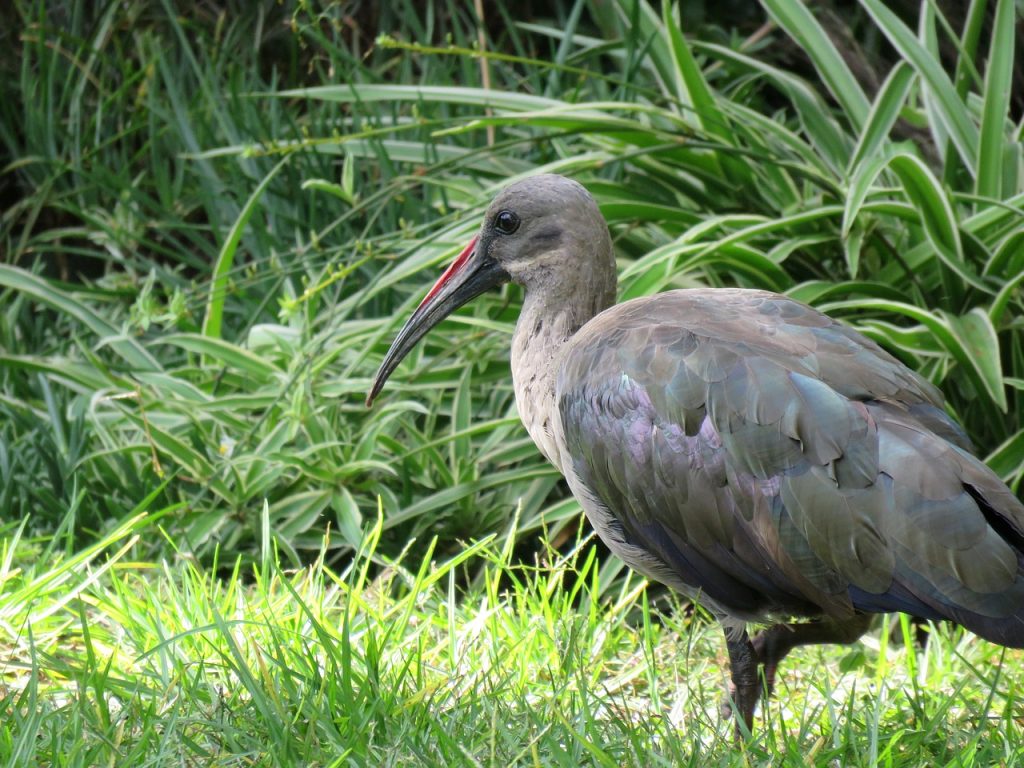
The Ibis Hypothesis
The best way to deal with the muddy mess of life and relationships is to draw a clear distinction between people’s intentions (I), their behaviour (B), and the impact their behaviour has on others (I)
-
WHO World Mental Health Report
Mental health conditions continue to exact a heavy toll on people’s lives, while mental health systems and services remain ill-equipped to meet people’s needs.
-
WHO Mental Health Action Plan 2013-2030
The 66th World Health Assembly, consisting of Ministers of Health of 194 Member States, adopted the WHO’s Comprehensive Mental Health Action Plan 2013-2020 in May 2013.